
When you hold one of our brass figurines, you are holding the result of a craft practised in the Indonesian islands for more than two thousand years. Each piece is still made in a small family workshop, using a method that has hardly changed since the Bronze Age: lost-wax casting.

A tradition that comes from far away
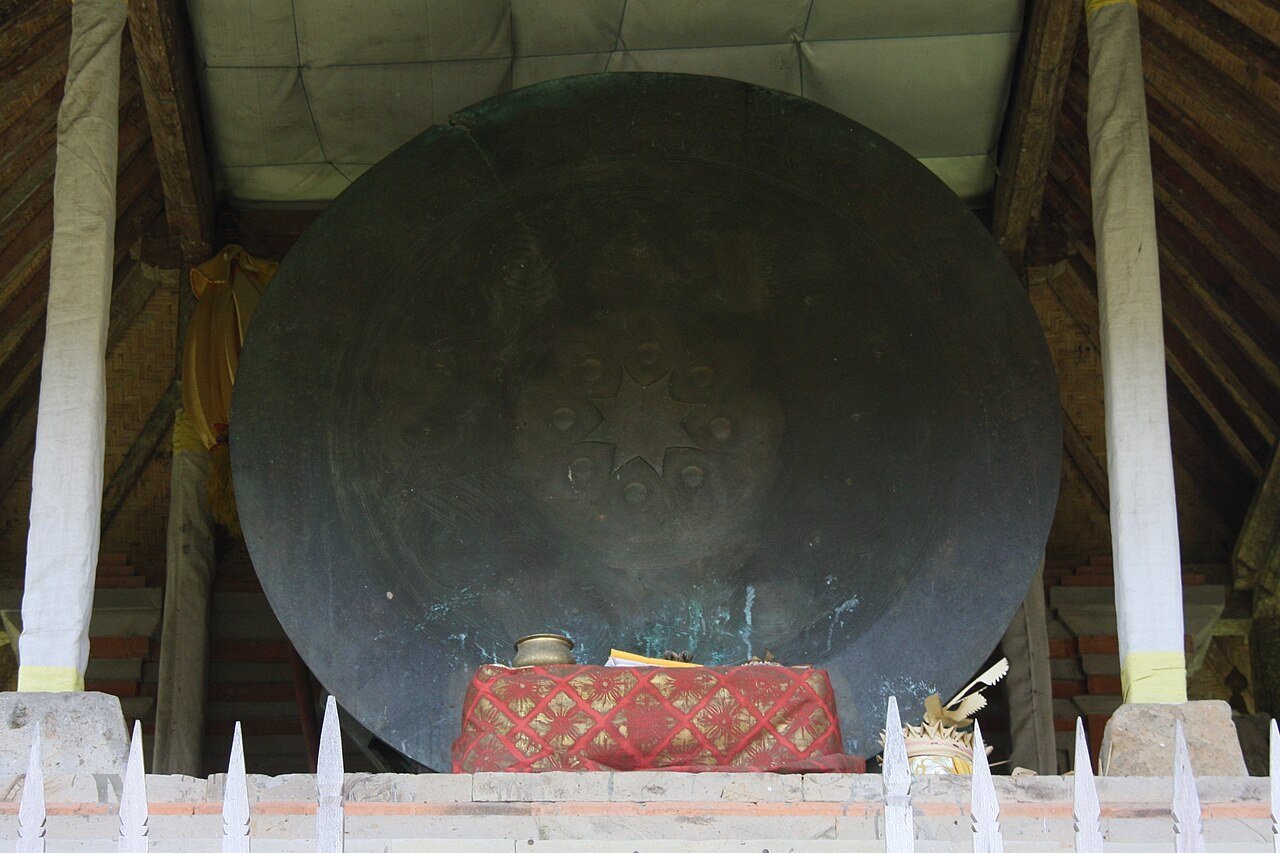
In the village of Pejeng, in the heart of Bali, a temple called Pura Penataran Sasih guards a huge bronze drum known as the Moon of Pejeng. It is around two thousand years old and is the largest drum of its kind ever cast in one piece. Drums like this were made across Java and Bali in the first centuries AD with the same lost-wax technique. Copper and tin are not found on Bali, so the metal itself had to arrive by trade between the islands.
Centuries later, the Majapahit kingdom (1293–1527) ruled much of the archipelago from its capital at Trowulan, in East Java. Its metal casters produced statues, ritual objects and animal figures of remarkable finesse, many of which now sit in museums around the world.
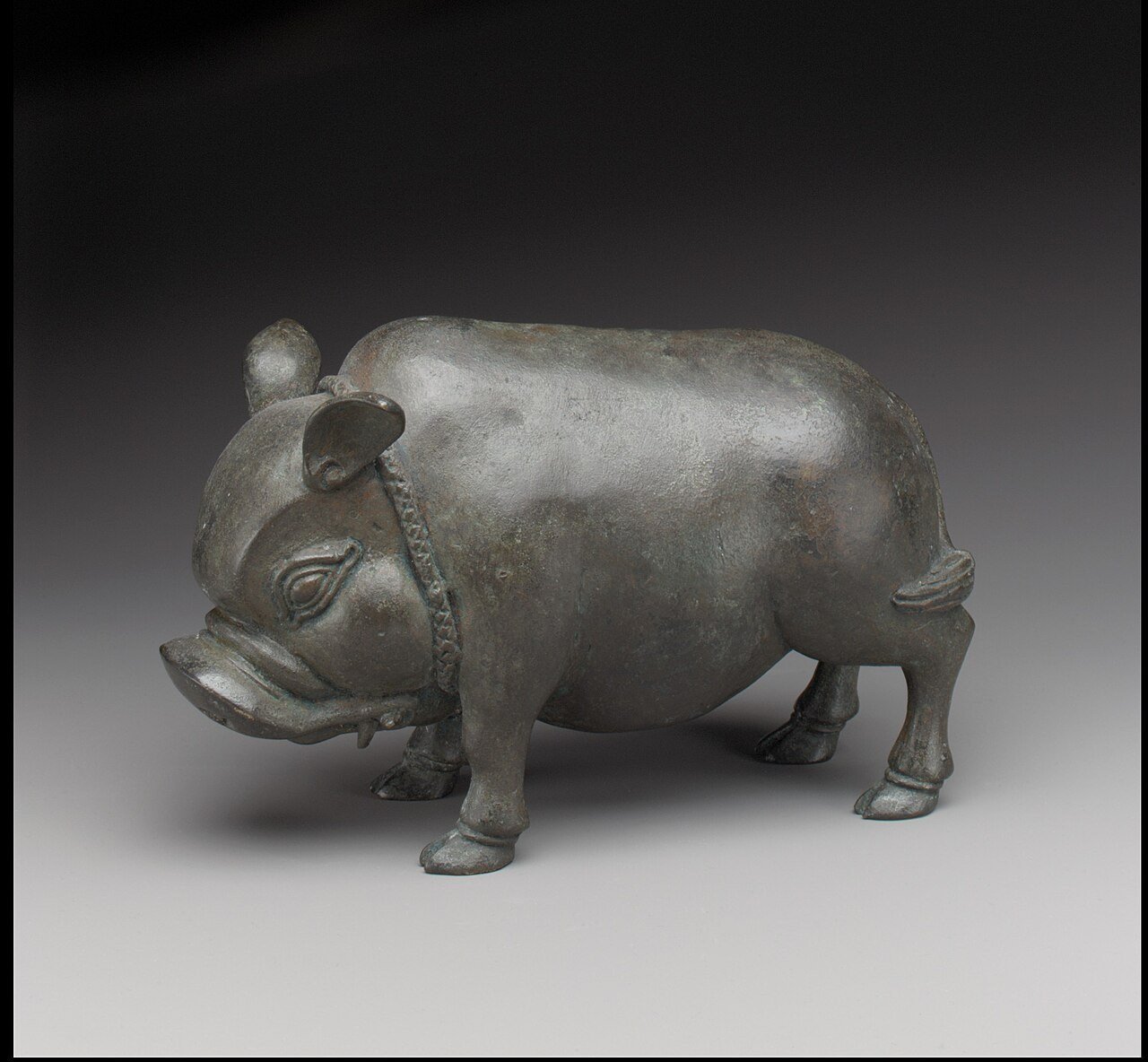

The skill never disappeared. In Bejijong, a village just beside the old Majapahit capital, families still cast brass in their own back yards today, passing the knowledge from parents to children.
How a brass figurine is born
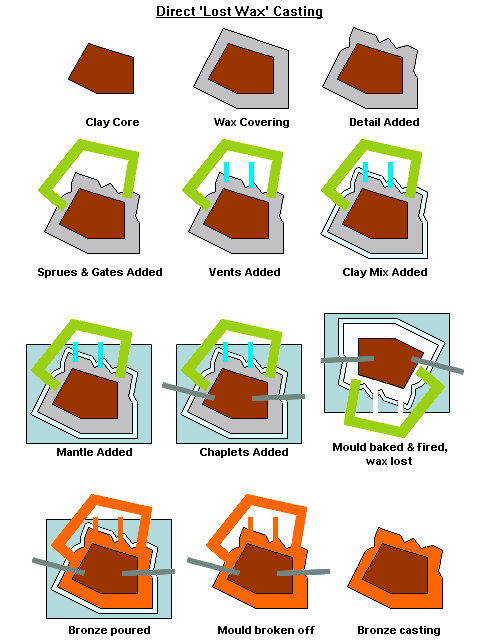
Lost-wax casting takes time, patience and several pairs of hands. In simple terms:
- The wax model. The artisan sculpts the figure in wax: a frog, an owl, a Ganesha. Every curve and texture that you will see in the brass is shaped here, by hand.
- The clay mould. The wax model is covered in layers of fine clay, which pick up every detail, and left to dry.
- Losing the wax. The mould is heated. The wax melts and runs out, leaving a hollow in the exact shape of the figure. That is where the name comes from.
- Pouring the metal. Molten brass is poured into the hot mould and fills the space the wax left behind.
- Breaking the mould. Once cool, the clay is broken away. Each mould is used only once, so each casting is unique.
- Finishing. The figure is cleaned, filed and chased by hand, then given its final look: polished gold-tone, black oxidized or green verdigris.

We went looking for the source
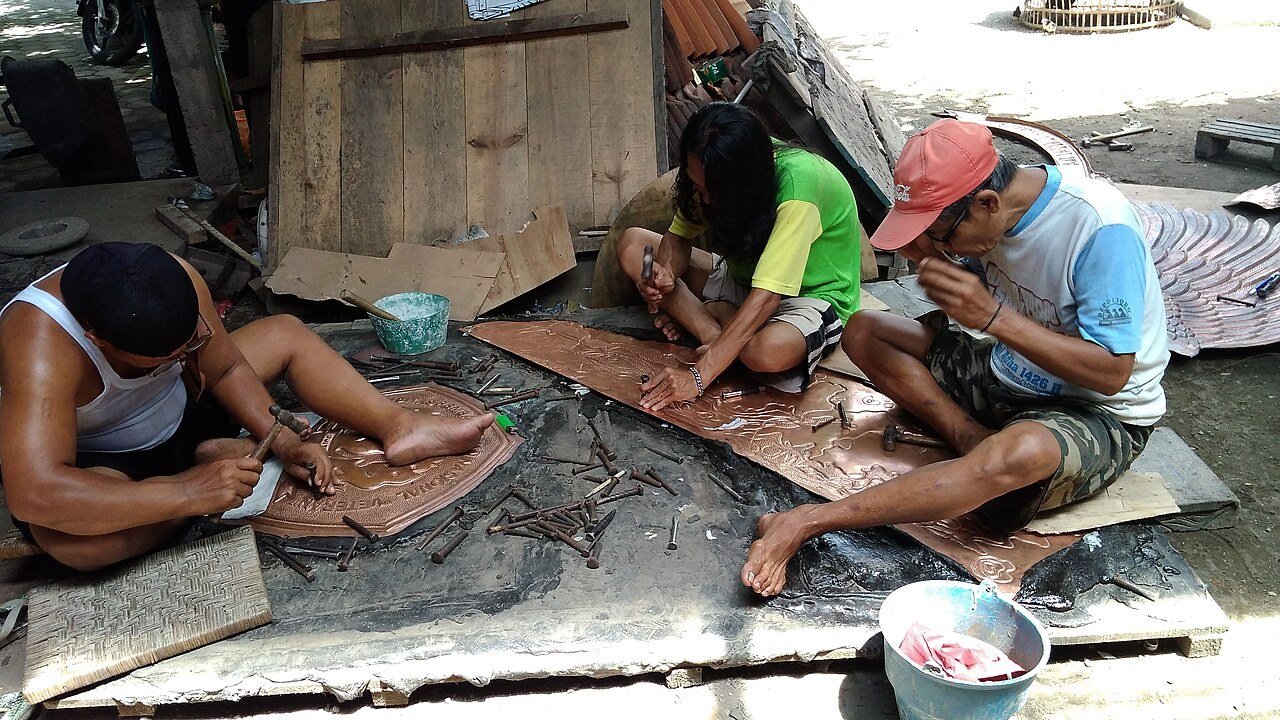
We didn’t want to buy from a catalogue. We went to Indonesia to find out where these pieces really come from, and we tracked them down to the small workshops and the artisans who actually make them. Being there showed us how much work goes into a single figurine, and it is why we buy directly from the people who make them.

Why no two pieces are the same
Because every wax model is shaped by hand and every mould is broken after a single use, no two figurines are ever exactly alike. You may notice a slightly different expression, a small tool mark, a tiny pit in the metal or a patina that is a little darker on one side. These are not defects to hide. They are the fingerprints of the artisan, and the proof that your piece was made by a person, not a machine.
That is exactly what we love about them, and we hope you will too.
Discover our hand-cast brass figurines. Each one ships from Italy to all of Europe, with 30-day returns. Want to keep yours looking its best? Read how to care for your brass figurines.